
Plumbing Guides
Plumbing Tips
Why Your Paint Keeps Peeling: How to Tell If It's a Hidden Leak, Not a Bad Paint Job
You’ve repainted that same wall twice now. Maybe three times. Each time it looks perfect for a few months, and then the same patch starts bubbling, cracking, or lifting away from the surface again. It’s tempting to blame the paint, or the painter, or the humidity that week. But if the same spot keeps failing while the rest of the room holds up fine, the paint was probably never the problem.
Paint needs a dry, stable surface to bond to. When moisture is moving through a wall or ceiling from behind, no amount of good technique or premium paint can hold onto it permanently. It will lift again, usually in the same place, because the actual source was never addressed.
Paint needs a dry, stable surface to bond to. When moisture is moving through a wall or ceiling from behind, no amount of good technique or premium paint can hold onto it permanently. It will lift again, usually in the same place, because the actual source was never addressed.
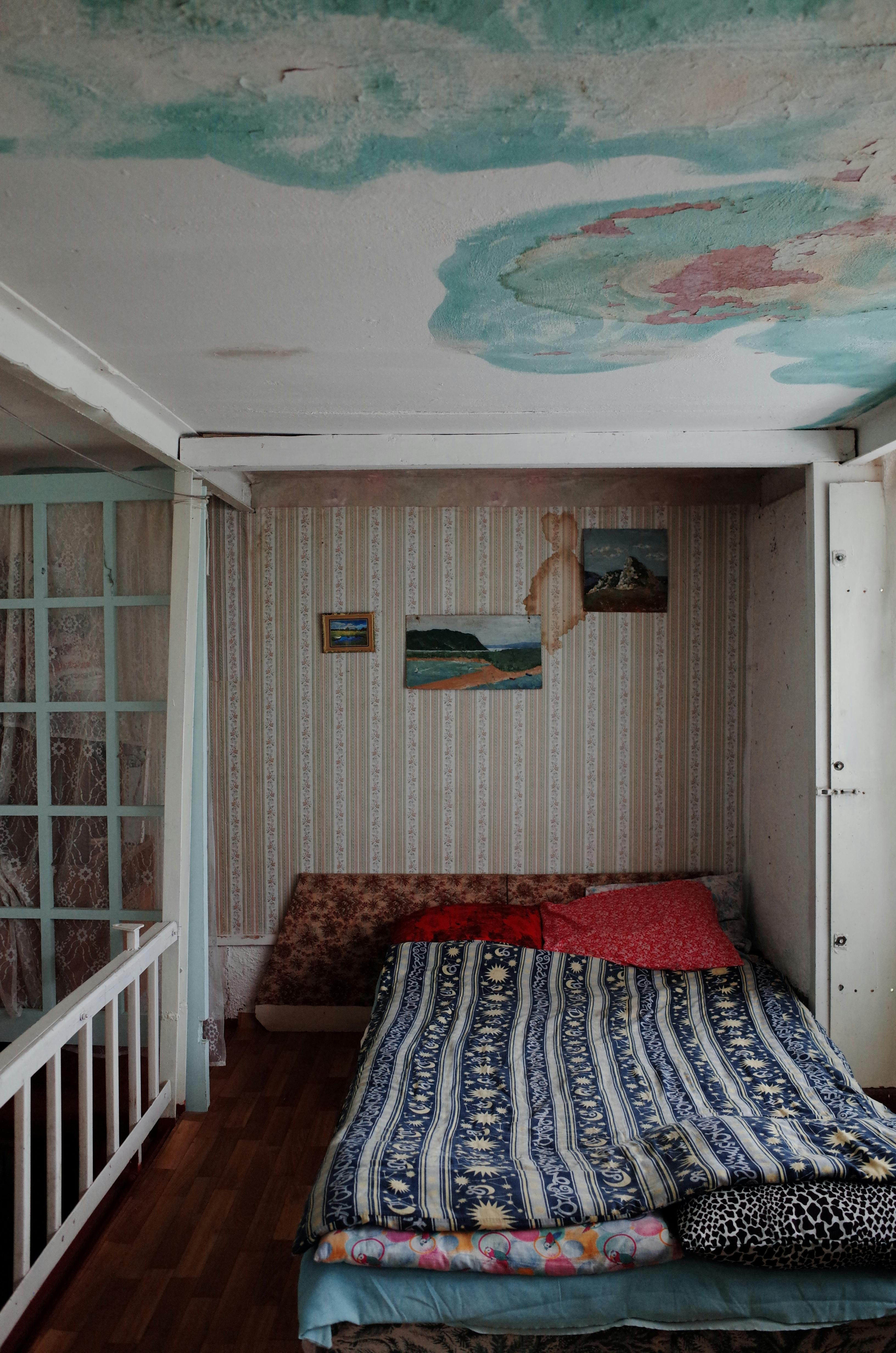
When Peeling Paint Isn't About the Paint
A painter’s job is to prepare and coat the surface in front of them. What they generally can’t see, and aren’t equipped to diagnose, is a slow leak working its way through a pipe, a roof penetration, or a fitting somewhere behind that surface. Repainting over that kind of damage doesn’t fix anything, it just delays the next failure by a few months.
This is why a warranty claim for peeling paint sometimes gets declined. Most painting warranties cover application faults, not damage caused by an ongoing moisture problem the painter had no way of seeing.
The Warning Signs That Point to a Leak, Not a Paint Failure
- Bubbling or peeling that returns to the exact same spot after repainting
- A brownish or yellowish stain showing through beneath the peeling area
- A musty smell in the room, even when it looks visually fine
- Drywall or plaster that feels soft, spongy, or slightly swollen to the touch
- Damage concentrated near a window, a fixture, a pipe run, or directly below a bathroom or roof valley, rather than spread evenly across the wall
If even one or two of these show up alongside the peeling, it’s worth pausing before you reach for the roller again.
Common Places Hidden Leaks Show Up as Paint Problems
Around Windows and Roof Penetrations
Flashing around a window or a roof penetration can fail quietly for a long time before any water reaches a visible surface. By the time paint starts bubbling nearby, moisture has often been sitting in the wall cavity for a while.
Behind Bathroom and Kitchen Walls
Supply lines, drain connections, and shower pans sit directly behind the walls in these rooms. A small leak at a fitting can travel sideways or downward before it ever shows on the surface, so the peeling paint may appear some distance from the actual source.
Ceilings Below a Bathroom or a Roof Valley
A ceiling that peels or stains directly below an upstairs bathroom, or below a roof valley where water tends to pool, is one of the more reliable indicators of a leak rather than a workmanship issue. Gravity does most of the work of hiding where the water actually entered.
Why Repainting Over a Leak Doesn't Work, and Can Void Your Warranty
Paint is a surface finish, not a barrier against active moisture. Coating over a damp or actively leaking area traps that moisture rather than removing it, which often makes the eventual damage worse, not better. It also means the underlying cause is still there, so the same failure tends to reappear on roughly the same timeline as before.
Most warranty terms exclude damage caused by moisture, leaks, or structural issues, since these fall outside what a painting warranty is meant to cover. Getting the leak checked and resolved first isn’t just about the paint lasting longer, it’s often what determines whether a warranty claim holds up at all.
What to Do Before You Call the Painter Back
- Look for the warning signs above, particularly whether the peeling keeps returning to the same spot.
- Have a plumber check for a leak in that area before repainting again, rather than after.
- Once the leak is fixed and the area has fully dried out, repaint with confidence that it will actually last this time.
The Bottom Line
A paint job that keeps failing in the same place is telling you something, it’s just not telling you to buy better paint. If the pattern matches what’s described here, the more useful call to make first isn’t to the painter, it’s to a plumber who can find and fix what’s actually happening behind the wall.
Need A Plumber?
LET'S GET IT FIXED
Our team will get back to you within 15 minuites