
Plumbing Guides
Plumbing Tips
How Plumbing Leaks Can Attract Pests Into Your Home
You’ve sealed the cracks. You’ve called pest control. You’ve thrown out anything that might be attracting them. And yet the ants keep coming back, the roaches keep showing up under the sink, or those tiny flies keep hovering around the bathroom no matter what you spray.
There’s a good chance the problem isn’t food, and it isn’t dirt. It’s water, specifically water that shouldn’t be there.
Every pest that shows up uninvited in a home is looking for one of three things: food, shelter, or water. Most homeowners focus on the first two. But water is often the easiest resource a pest can find, and a plumbing leak, even a small, slow one you’ve never noticed, can quietly turn a home into exactly the kind of environment insects and rodents are drawn to.
Here’s how the two problems connect, and how to tell if your pest problem is actually a plumbing problem wearing a disguise.
There’s a good chance the problem isn’t food, and it isn’t dirt. It’s water, specifically water that shouldn’t be there.
Every pest that shows up uninvited in a home is looking for one of three things: food, shelter, or water. Most homeowners focus on the first two. But water is often the easiest resource a pest can find, and a plumbing leak, even a small, slow one you’ve never noticed, can quietly turn a home into exactly the kind of environment insects and rodents are drawn to.
Here’s how the two problems connect, and how to tell if your pest problem is actually a plumbing problem wearing a disguise.
Why Moisture Matters More Than Food to Most Pests
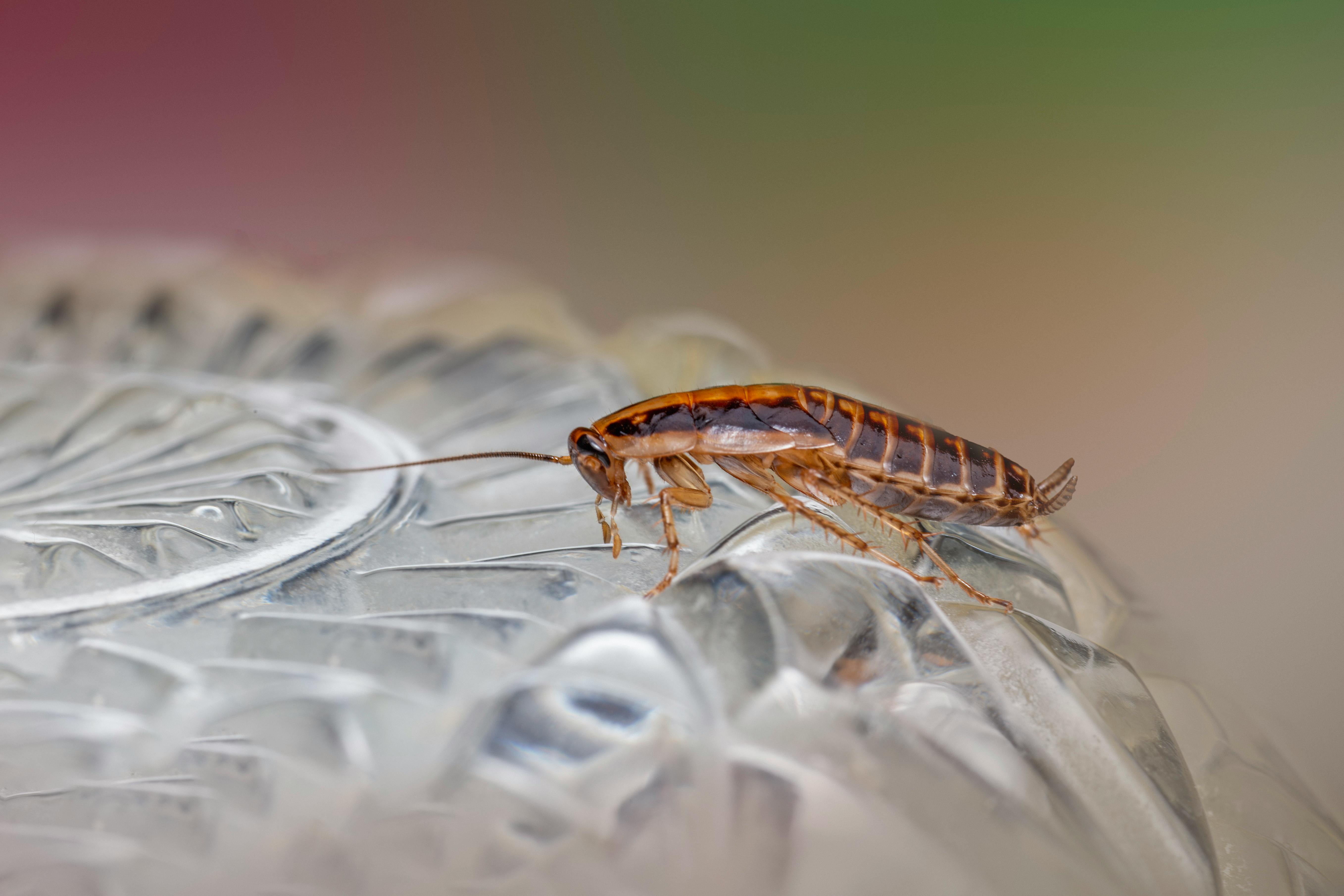
Insects lose water through their exoskeletons far faster than they lose energy from not eating. Cockroaches, ants, silverfish, and termites can all survive for a surprisingly long time without food, but not without a water source. A dripping pipe under a cabinet, a sweating water heater, or a slow leak inside a wall doesn’t just create dampness, it creates a reliable water station that’s available every hour of the day, hidden from view, and rarely disturbed.
That’s a far better setup, from a pest’s perspective, than anything in your kitchen.
The Plumbing Problems That Quietly Invite Pests In
Leaking Pipes Under Sinks and Behind Appliances
The area under a kitchen or bathroom sink is one of the most common places for a slow leak to go unnoticed. It’s dark, it’s rarely inspected, and a small drip can run for months before anyone sees a stain. That same dark, damp, undisturbed cabinet is close to ideal cockroach and ant habitat. If pest control keeps returning to the same kitchen or bathroom, checking the supply lines and drain connections under the sink is worth doing before the next treatment.
Condensation and Sweating Pipes
Cold water pipes running through warm, humid spaces can accumulate condensation, which drips and pools just like a leak would, often inside a wall cavity or under insulation where it’s never seen. Over time this creates the same damp micro environment a leak does, just without an obvious source. Poorly insulated cold pipes in a roof space or crawl space are a common, overlooked culprit.
Drain Flies Breeding in Slow or Rarely Used Drains
Those small flies that look like tiny moths and hover around bathroom drains aren’t coming from outside, they’re often breeding inside the drain itself, in the layer of organic sludge that builds up in a pipe that drains slowly. This is frequently misdiagnosed as an outdoor pest problem when the actual fix is a proper drain clean, not a perimeter treatment. A simple test: place a piece of clear tape over the drain opening overnight. If flies are trapped underneath by morning, the drain is the source.
Standing Water Outside from Poor Drainage
Blocked gutters, a leaking outdoor tap, or ground that doesn’t drain properly after rain creates standing water, a mosquito breeding site that can produce a new generation of mosquitoes in under two weeks. If mosquito treatments aren’t holding, the drainage around the property, not just the treatment radius, may need attention.
Cracked or Leaking Sewer Lines
A cracked sewer line underground doesn’t just leak water, it releases an environment rich in both food and water that’s highly attractive to cockroaches and rodents, and in some cases provides a direct underground route into the home through gaps around the pipe. Recurring roach activity concentrated near one bathroom or one side of the house, especially with a faint sewage smell, is worth having checked at the pipe level.
Rodents and Pipes, a Problem That Runs Both Ways
Rodents don’t just seek out water leaks, they can cause them. Rats and mice gnaw on plastic piping both to access water and to wear down their constantly growing teeth. This means a rodent problem can create a plumbing leak, and a plumbing leak can sustain a rodent problem, each one making the other harder to fully resolve until both are addressed.
Signs Your Pest Problem Might Actually Be a Leak
- Pest activity concentrated in one specific area, one cabinet, one wall, one corner of a room, rather than spread through the house
- A musty smell, warped flooring, or a soft spot on a wall or ceiling near the affected area
- An unexplained rise in the water bill alongside the pest activity
- Pests returning to the same spot shortly after treatment, even when the rest of the home stays clear
- Visible water stains, bubbling paint, or peeling caulk near the affected area
If two or more of these line up with where the pests keep appearing, it’s worth having a plumber check for a leak before assuming the pest treatment has failed.
What to Do About It
- Check under sinks and around appliances for dampness, staining, or a musty smell, the earliest and most accessible sign of a slow leak.
- Run the tape test on bathroom drains if small flies are the recurring issue.
- Check the water meter. With every tap and appliance off, a meter that’s still moving means water is going somewhere in the system.
- Address drainage outside, clear gutters, fix pooling water, and check outdoor taps for drips.
- If a leak is confirmed or suspected, get it fixed before or alongside pest treatment. Treating the pests without removing their water source usually means treating them again in a few months.
The Bottom Line
Pest control and plumbing solve two different problems, but they often share the same root cause. A home that’s dry, properly drained, and free of leaks is simply a much harder place for most common household pests to establish themselves in the first place. If pest treatments keep needing to be repeated in the same spot, it’s worth asking a plumber to take a look. The fastest way to solve a recurring pest problem is sometimes to fix the leak feeding it, not to spray again.
Need A Plumber?
LET'S GET IT FIXED
Our team will get back to you within 15 minuites